A Biological Format: The Science of Fasting, Autophagy, and Cellular Purge
The month of Ramadan is not only a period of worship for millions of people, but also a tremendous process of purification in which both the soul and the body are “reset”, i.e., returned to factory settings. Modern science is just discovering the secrets behind this discipline of hunger that ancient traditions have practiced for thousands of years. Google searches often appear “The benefits of fasting”, “Autophagy and Ramadan” or “Spiritual cleansing” concepts such as these actually converge at one point: our body’s capacity to survive and heal in difficult conditions.
1. Healing Brought by Difficult Conditions: Biological Resistance
The human body is designed to be most efficient in moments of “suffering and difficulty” rather than in evolutionary and biological abundance. Constant food consumption pushes our body into a sort of “laziness” and leads to the accumulation of cellular garbage. This controlled challenge, which we created on our own volition in Ramadan, updates the body’s survival software. This stress (hormetic stress) makes our cells more resistant, younger and healthier.
2. The Difference Between Fasting and Intermittent Fasting We Hold in Ramadan: Deep Cleaning
Intermittent fasting usually allows liquid consumption, while Ramadan fasting falls under the category of “dry fasting”. Not consuming water triggers a much more biologically effective process.
- Metabolic Water Production: When water does not enter the body from the outside, cells begin to produce their own internal water to survive. To start this process, the body uses damaged cells and fat tissues as fuel.
- Intercellular Cleansing: Non-drinking water accelerates the excretion of toxins that accumulate in intercellular fluid (interstitium) and are normally very difficult to clean through the lymph system.
3. Autophagy and Mitochondrial Regeneration: Internal Cleaning of the Cell
Registered with the Nobel Prize in 2016 autophagy its mechanism peaks during Ramadan fast. In this process, the word means “self-eating”;
- Recycling: Cells break down broken proteins and old organelles that build up inside, turning them into energy.
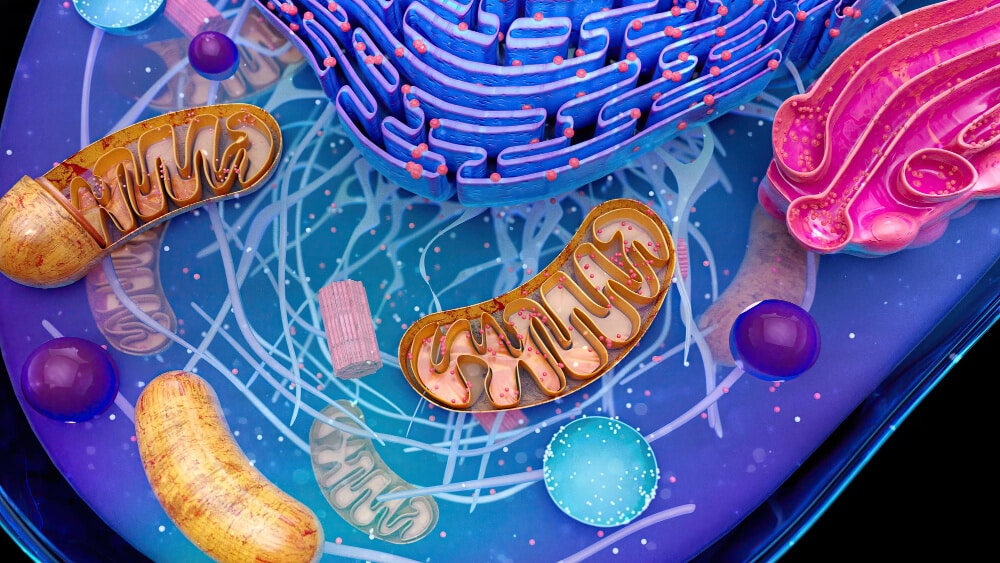
- Mitophagy: Mitochondries, the power plants of our cell, are regenerated. Inefficiently working older mitochondria are eliminated, replacing them with younger mitochondria that produce cleaner and higher energy. This is the main reason for that mental clarity and lightness that was felt towards the end of Ramadan.
4. The Intersection of Material and Spiritual Purge
Ramadan is a month in which purification is bilateral. As our body enters a biochemical cleansing materially, our mind and soul become disciplined spiritually.
- Physical Cleansing: With the rest of the digestive system, the body spends its energy not on digestion, but on tissue repair and strengthening the immune system. Inflammation (inflammation) levels drop.
- Spiritual Cleansing: A spiritual detox takes place with the strengthening of feelings of patience, willpower and empathy. When the soul is calmed, cortisol levels, which are stress hormones, are balanced, which directly promotes physical healing. Man is “light” both physically and spiritually.
5. An Ancient Healing in the Light of Science
Fasting is when the body rejects stimuli (nutrients) from the outside world for a period of time and returns completely “to itself”. This introversion brings repair at the cell level and maturation at the spirit level. Scientific articles prove that Ramadan fasting increases insulin sensitivity, triggers DNA repair mechanisms, and increases the BDNF protein that protects brain health.
Conclusion: Ramadan as a Regeneration Process
The month of Ramadan is the embodiment of the “best treatment of modern medicine is the body itself” principle. Through this challenging but controlled process that we present to ourselves, the garbage in our cells is cleaned, our soul is cleansed, and the foundations of biological and mental fitness that will last until the next year are laid.
References
- Levine, B., & Kroemer, G. (2019). Biological Functions of Autophagy Genes: A Disease Perspective. Cell, 176(1-2), 11-42.
- Longo, V. D., & Mattson, M. P. (2014). Fasting: Molecular Mechanisms and Clinical Applications. Cell Metabolism, 19(2), 181-192.
- Yoshihiro, O. (2016). Autophagy: Renovation of Cells and Tissues. Nobel Lecture (Nobel Prize for Medicine).
- Aman, Y., et al. (2021). Autophagy in healthy aging and disease. Nature Aging.
- Mattson, M. P., et al. (2018). Intermittent metabolic switching, neuroplasticity and brain health. Nature Reviews Neuroscience.
- Sadeghirad, B., et al. (2014). Islamic fasting and weight loss: a systematic review and meta-analysis. Public Health Nutrition.