Sometimes getting out of bed in the morning is as hard as climbing a mountain. An inexhaustible weakness during the day, a pale skin when you look in the mirror, and a mind that just can’t focus… Sound familiar? In the rush of modern life, we can immediately blame it on stressful days or insomnia. However, sometimes our body may be screaming at us much more deeply, all the way through our cells: “My iron is low!”
Iron is the secret hero of our body. When it dwindles, our life energy, our focus, even the brightness of our hair fades away. Well, so vital what is iron supplementation, when is the right time, and most importantly, how should we give our body that support in the right way? Come on, let’s answer all the questions in your mind in sincere language, step by step.
What Is Iron Supplementation and Why Is It So Valuable to Our Body?
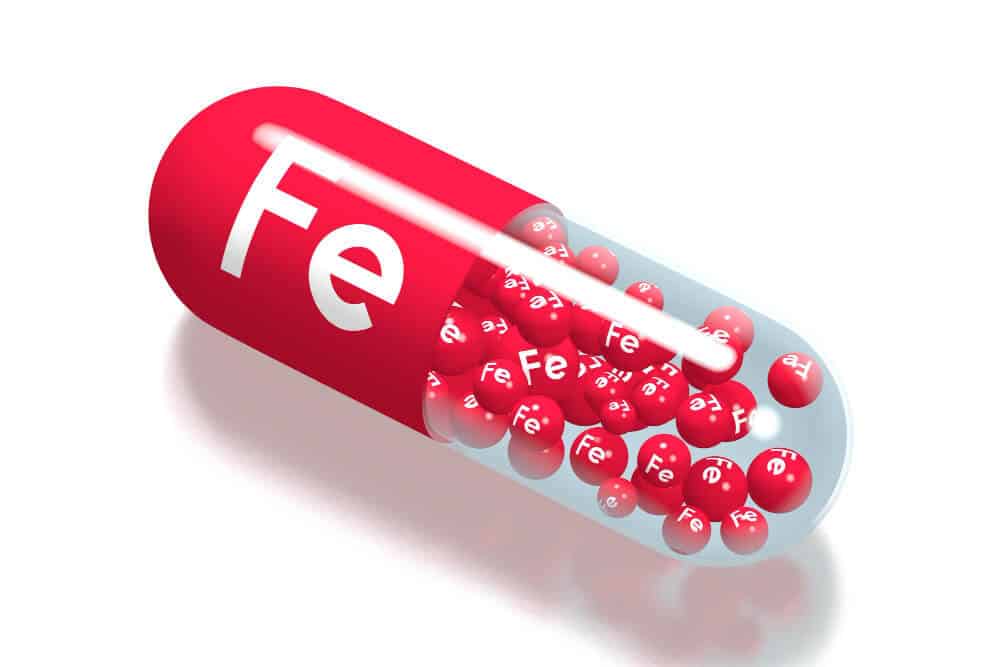
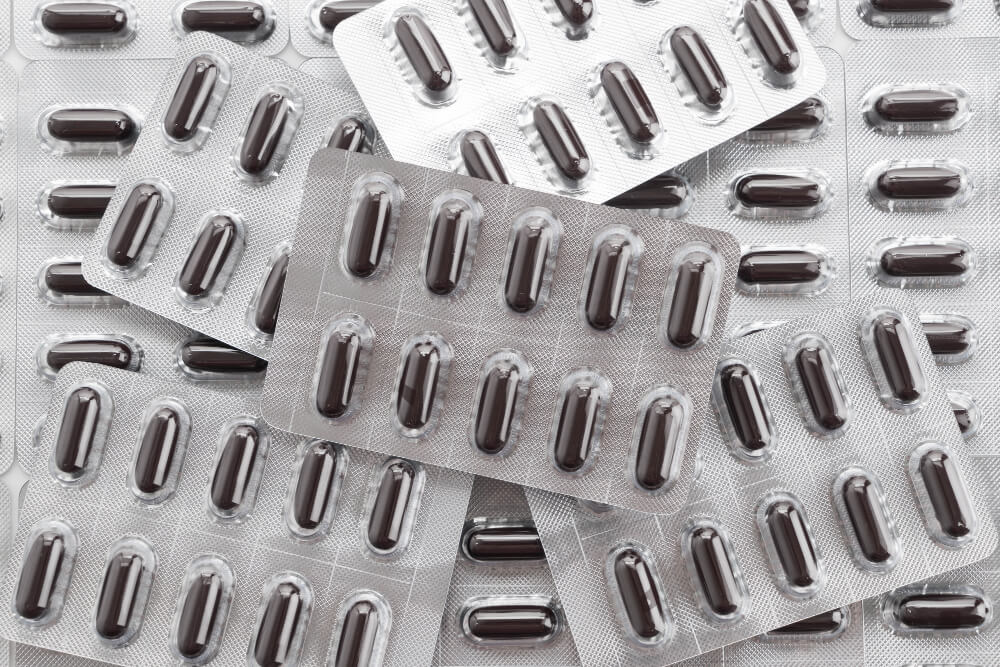
In its simplest form iron SupplementThey are formulations that allow us to take the iron mineral as an outside support that we don’t get enough through nutrients or our body doesn’t fully absorb.
Iron gives red blood cells (hemoglobin) in our blood their color, and most importantly it transports oxygen from our lungs to our entire body, tissues, and brain it’s like a taxi. When iron is reduced in the body, oxygen to the tissues is also reduced. This is exactly the emotional and physical reason why you feel tired, exhausted and “breathing” all the time. Iron supplements are designed to re-fill these empty stores and give you that old vitality, that real glow within you.
When Should Iron Supplementation Be Taken?
Getting the maximum yield from an iron supplement is directly related to when and how you consume it. We can summarize the parameters of “the right time”:
1. What Time of Day Should It Be Taken?
Iron absorption best on an empty stomach it happens. Therefore, iron supplements at least 1 hour before breakfast or 2 hours after breakfast in the morning it is recommended to take. If you have a sensitive stomach and taking it on an empty stomach is nauseating, you can also try taking it with a light meal, even if it reduces absorption slightly.
2. When Do We Need Iron Supplementation?
Our body cannot produce iron on its own. Starting an iron supplement by consulting with a specialist in the following situations can radically change your quality of life:
- In women who experience intense menstrual periods,
- During pregnancy and lactation (due to increased blood volume),
- Insufficient nutrition, in vegan or vegetarian diets,
- Chronic fatigue that doesn’t go away, hair loss, and fingernail fracture complaints.
A New Approach: Is Getting Iron Every Two Days More Effective?
In recent years, clinical research and new views in the medical world have revealed a method that breaks down by heart in the use of iron supplements: Taking iron every other day instead of every day.
So, what’s the logic behind it? > When a high dose of iron enters the body at once, the liver releases “hepcidin” . Hepcidin acts like a gatekeeper, temporarily closing down the body’s iron absorption mechanism. When iron is taken every day, this hormone can remain elevated, substantially reducing absorption of the next day’s dose. Unabsorbed iron accumulating in the intestines can cause side effects such as constipation and stomach pain.
Especially in certain forms of iron (e.g. oral ferrous sulfate or some high-dose forms), Use every 2 days:
- by not suppressing the hormone hepcidin increases total iron absorption,
- It has been observed to significantly reduce side effects in the stomach-intestinal system (constipation, bloating, nausea).
Of course, this frequency of use depends on the form of the supplement you are taking (liposomal, chelated, or traditional forms) and the direction your doctor will make based on your blood test results. However, for the process of filling more comfortable iron stores without exhausting your body, today’s extreme approach is a great alternative.
Golden Rules for Increasing Iron Absorption (Friends and Enemies)
You are not alone when using iron supplements; the other components around it directly affect his success.
- Combine Powers with Vitamin C: Vitamin C increases the absorption of iron from the intestines. It is a great idea to take your supplement with a glass of freshly squeezed orange juice or choose formulas that contain vitamin C.
- Keep Distance with Tea and Coffee: Turkish tea and coffee tanninsIt prevents it from being absorbed by attaching to the iron. Therefore, after taking your supplement, you should avoid tea and coffee for at least 1-2 hours.
- Attention to Calcium: Calcium and iron use the same absorption pathways, and calcium is always dominant. Leave at least 2 hours of league distance between milk, yogurt or calcium supplements and your iron supplement.
Give Yourself and Your Health Time
Remember, the filling of empty iron repositories doesn’t do miracles overnight; it’s a journey. Usually balancing warehouses 3 to 6 months it runs between. But with a boost in the right form and at the right time, you will notice that within a few weeks you wake up more vigorously in the morning, replacing the paleness in the mirror with a healthy vitality.
Do not condemn yourself to fatigue. With a simple blood test that you will have under your doctor’s control, identify the deficiencies and offer your body the support it deserves with love. Because that genuine health and radiance that comes from within begins with eating right and taking good care of ourselves.
References / References
- Stoffel, N. U., et al. (2015). “Iron absorption from oral iron supplements given on consecutive versus alternate days and as single versus divided daily doses in iron-depleted women: a sequential tablet study.” The Lancet Haematology, 2(12), e524-e533. (Foundational research on the relationship between alternate-day use and the hormone hepcidin.)
- Stoffel, N. U., et al. (2020). “Iron absorption from oral iron supplements given on consecutive versus alternate days: a effects of iron dosing regimens on hepcidin and iron absorption in anemic women.” The American Journal of Clinical Nutrition, 111(4), 871-877.
- World Health Organization (WHO). “Guideline: Daily iron and folic acid supplementation in pregnant women.” Geneva: World Health Organization.
- National Institutes of Health (NIH) – Office of Dietary Supplements. “Iron – Fact Sheet for Health Professionals.” (General guide to iron supplements, absorption rates, and nutrient interactions)
- Pena-Rosas, J. P., et al. (2015). “Daily oral iron supplementation during pregnancy.” Cochrane Database of Systematic Reviews, (7).