Half human, half bacteria! Our body is made up of trillions of cells, and so many microorganisms accompany us throughout our lives.
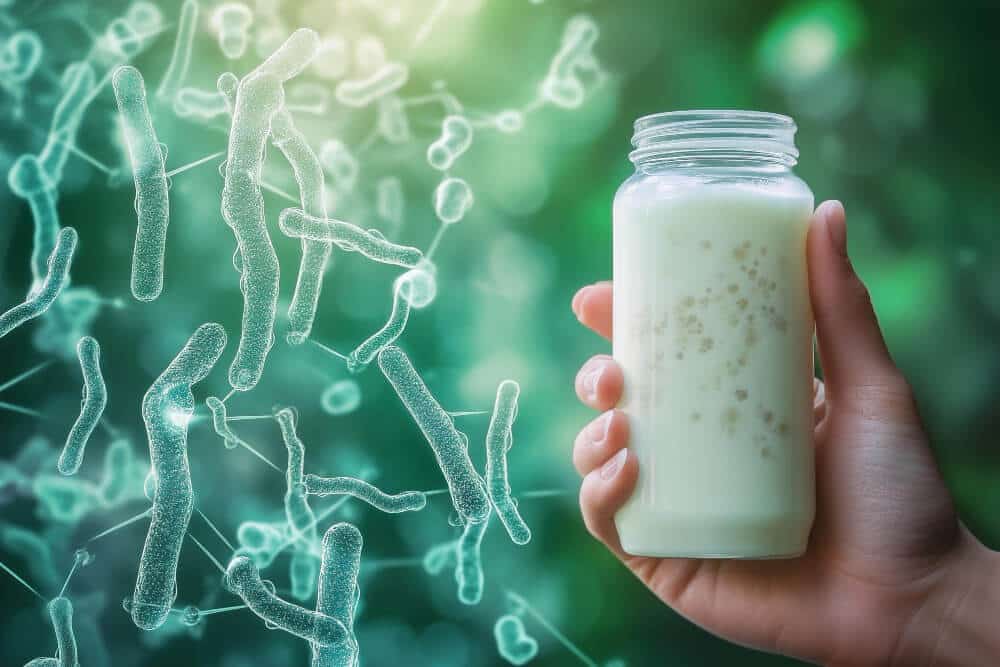
If you think our body is made up of only cells that belong to us, think again. Scientific research shows that the number of bacteria present in the human body is almost equal to our own number of cells. In this massive ecosystem, especially friendly bacteria that live in our guts, that is probioticsNot only does it govern digestion, but it governs immunity and even our mood. Well, these invisible helpers are what are probiotics and how do they change our lives?
What Do Probiotics Do? Probiotic, Prebiotic and Postbiotic Difference
ProbioticsWhen taken in sufficient quantities, they are living microorganisms that provide health benefits to the host (i.e., us). But to understand this ecosystem, one must separate three basic concepts:
- Probiotics: Live friendly bacteria (workers).
- Prebiotics: The fibrous foods that these bacteria feed on (the food of the workers).
- Postbiotics: Useful by-products produced by bacteria after digesting prebiotics (the results produced by workers).
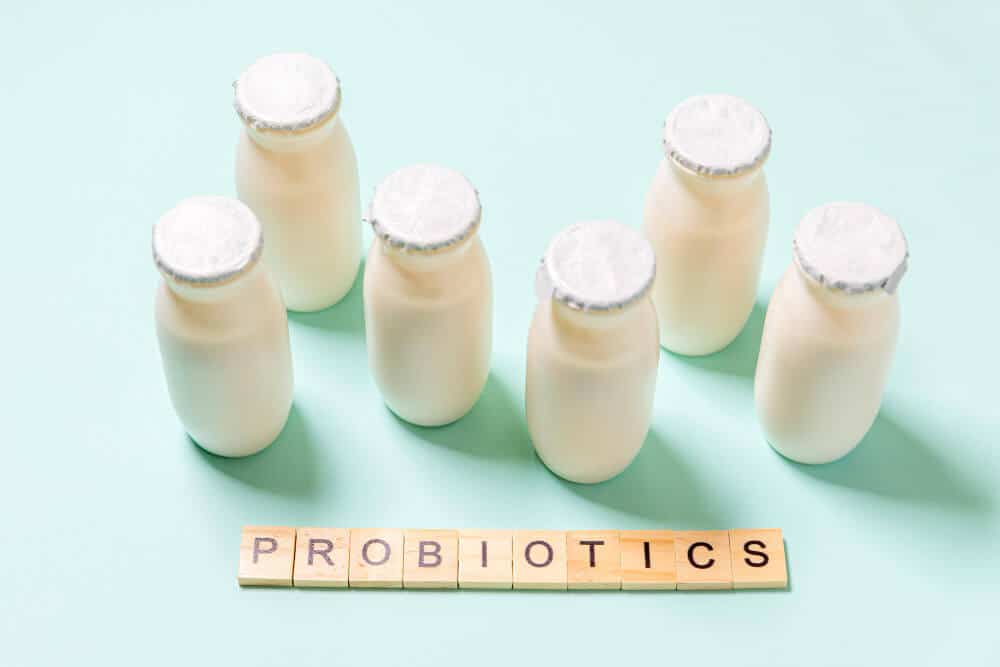
What Are the Benefits of Probiotics?
What Are Probiotics Useful For the answer to your question goes far beyond the gut wall. These friendly bacteria strengthen the intestinal barrier, preventing harmful pathogens from mixing into the blood. Considering that about 70 to 80% of the immune system is located in the intestines, the best probiotics A microbiota supported by it is our strongest shield against disease.
Where people live a healthy life over the age of 100, called the “Blue Zones”, fermented foods are at the heart of their eating habits. For example, in parts of Japan famous for its long life, traditional fermented products such as miso, natto, and kefir, consumed daily, keep the microbiota fresh all the time. Similarly, among the legendary long life secrets of the Hunza Turks, it is often emphasized that they consume the natural yogurts that they ferment. These communities, natural probiotics thanks to it, it leads an energetic life away from chronic diseases.
Traditional Wisdom and Probiotics
In our culture, too, the power of probiotics has been applied unconsciously but accurately for centuries. Starting the day with pickle juice, which is consumed as an appetizer and facilitator of digestion before meals, or vinegar water in the morning, is in fact the very “microbiota support” that modern medicine has just discovered. The people of Anatolia, who started the day by eating fresh yogurt in the morning and became centuries old rattles, told us what are probiotics he gave the answer to his question in practice long before the labs. Perhaps these traditions hold a key to cellular rejuvenation far beyond what we know about probiotics.
When Should Probiotics Be Taken?
One of the most curious issues when should probiotics be taken . When to drink probiotics or when to drink probiotics scientific views on the subject are based on ensuring that bacteria pass through stomach acid with minimal damage.
Stomach acid is a formidable barrier to living bacteria. Therefore:
- Generally, whether to take probiotics with or without food the question is answered “just before a light meal or with a meal”.
- Should probiotics be taken on an empty stomach? Some formulations are better absorbed on an empty stomach, while others may be affected by its high acidity. The product’s instructions and manufacturing technology, such as microencapsulation, are therefore decisive.
- Are probiotics taken on an empty stomach or a full stomach? The general trend is to prefer the morning hours when stomach acid is lowest, or just before going to bed at night.
How to Use Probiotics? What Are the Best Probiotic Strains?
How to use probiotics the answer to your question depends on the need. Supplements sold in pharmacies offer certain strains (such as Lactobacillus, Bifidobacterium) at high density. However what are natural probiotics if you say; homemade yogurt, kefir, fermented pickles, kombucha and turnip juice are the richest sources.
When do probiotics take effect?
This process varies from person to person and depending on the current state of the intestinal flora. Usually during the first 1-2 weeks of regular use, relief in the digestive system is felt, while the effects on immunity and overall health stabilize between 1 and 3 months. Which are the best probiotics the question does not have a single answer because each individual’s microbiota is as unique as a fingerprint.
The Importance of Native Microbiota and Geographical Strains
Just as each individual’s microbiota is unique, the gut flora of societies is shaped by the geography they live in, the local foods they consume, and their genetic heritage. Therefore, it is critical to make probiotic R&D investments in a country and to identify “local strains” specific to that population. Bacteria isolated from our own soils can adapt much faster to our nutritional culture and metabolic structure, offering higher bioavailability. Native probiotic production is not only an economic independence, but also one of the strongest steps in the “personalized medicine” approach to protecting community health.
Conclusion: Future Medicine in the intestines
This mysterious world in our guts is the key to our health. Reconciliating with the fact that “half human, half bacteria” can add probiotics to our diet and supplements routines, and feeding these friendly bacteria at the right time, with support from supplements that contain prebiotics; not just better digestion, but a longer and better quality of life.
References
Gibson, G. R., Hutkins, R., Sanders, M. E., Prescott, S. L., Reimer, R. A., Salminen, S. J., … & Verbeke, K. (2017). Expert consensus document: The International Scientific Association for Probiotics and Prebiotics (ISAPP) consensus statement on the definition and scope of prebiotics. Nature Reviews Gastroenterology & Hepatology, 14(8), 491-502.
Hill, C., Guarner, F., Reid, G., Gibson, G. R., Merenstein, D. J., Pot, B., … & Sanders, M. E. (2014). Expert consensus document: The International Scientific Association for Probiotics and Prebiotics consensus statement on the scope and appropriate use of the term probiotic. Nature Reviews Gastroenterology & Hepatology, 11(8), 506-514.
Markowiak, P., & Śliżewska, K. (2017). Effects of probiotics, prebiotics, and synbiotics on human health. Nutrients, 9(9), 1021.
O’Toole, P. W., & Marchesi, J. R. (2009). Microbial diet and longevity: lessons from the Blue Zones. The Journal of Nutrition, Health & Aging, 13(1), 54-58.