Every cell in our body needs uninterrupted energy to function. The place where this energy is produced is mitochondria, and there is an essential part of this production line: coenzyme Q10. You may have heard of it from supplement racks or skin care products’ ingredient lists, but its true story is set in cell biology.
In this article what is coenzyme Q10We address questions about what functions are performed in the body, what nutrients are taken from it, and what needs to be considered about the supplement form, accompanied by scientific sources.
What is Coenzyme?
To understand the subject correctly, one must first start with the basic concept. What is coenzyme when asked, the short answer is: coenzymes are the auxiliary molecules that enzymes need to do their job.
Enzymes are protein structures that accelerate chemical reactions in the body. However, many enzymes cannot function on their own; they need a small auxiliary molecule next to them. These auxiliary molecules are called coenzymes. To put it in an analogy: if the enzyme is the machine, coenzyme is the key or fuel needed for that machine to work.
Coenzyme Q10 takes the letter “Q” from the quinone ring in its structure and the number “10” from the number of isoprene units in its side chain. In the literature, it is also called coenzyme Q10, ubiquinone, or ubidecarenone. “Ubiquinone” comes from Latin and means “found everywhere,” because this compound occurs in almost all living cells.
Featured Features of Coenzyme Q10
There are several distinct features that define coenzyme Q10:
It is an oil-soluble, vitamin-like compound. It is similar to vitamins in structure and function, but not vitamins. Because the body is able to synthesize this compound itself, it does not fall into the class of “elementary nutrients”.
He is involved in mitochondria. The main working area of Q10 is the electron transport chain in the inner membrane of the mitochondria. In scientific literature, this compound is described as an essential component of the mitochondrial electron transport chain and antioxidant in plasma membranes and lipoproteins.
It is found in two different forms. The oxidized form is called ubiquinone, and the reduced form is called ubiquinol. The body can convert between the two as needed, and both forms are found in supplements.
It is produced in the body, but production is not uniform. Q10 synthesis occurs in all cells in a tightly regulated way, involving a mitochondrial multiprotein complex. Disorders in structural or regulatory components in this synthesis pathway can lead to a decrease in Q10 concentration or an increase in oxidative stress.
Absorption is limited. A significant portion of the coenzyme Q10 taken by mouth is excreted by feces; only a fraction of the amount ingested reaches the blood and the tissues from there. Therefore, product formulation and form of purchase are as important as the amount in the content.
With age, tissue levels can change. In literature, Q10 levels are reported to decrease with aging, which is associated with antioxidant capacity.
What Does Coenzyme Q10 Do?
What is Coenzyme Q10 the answer to the question is collected in two basic headings.
Cellular energy generation. The primary function of Q10 is to serve as a basic cofactor in ATP production. ATP is the unit of energy that the cell can use. In the electron transport chain, Q10 works like a transfer molecule that transports electrons from one complex to another. When this chain is interrupted, the cell’s energy production also axes. The relative high concentration of Q10 in tissues with high energy needs such as the heart, skeletal muscle, liver and kidney is explained by this function.
Antioxidant function. Ubicinol, the reduced form of Q10, acts as an antioxidant in cell membranes and lipoproteins. So it is not only a part of the energy production line, but also a component of the cell’s oxidative equilibrium system.
It is necessary to draw a clear limit here: these are physiological functions defined at the cellular level. It does not mean that a supplement product prevents, cures or cures diseases.

What Are the Benefits of Coenzyme Q10?
Benefits of Coenzyme Q10 there is a large amount of research in the literature on the subject. However, it is a separate matter of how much of this accumulation has become definite knowledge. The conclusion reached by one of the extensive compilations of the field is guiding in this respect: current evidence points out that supplementation provides improvement in bioenergetic indicators, but more participants and longer-term clinical trials are needed to assess benefits in topics such as metabolic syndrome, diabetes, neurodegenerative disorders, kidney diseases, and reproductive health.
The topics in which research is concentrated in this framework are:
Energy metabolism and aging processes. The decline in Q10 levels with age has made this title one of the most studied areas.
Cardiovascular health research. Due to the high energy need of the heart muscle, numerous clinical studies have been conducted in this area. The results of these studies are not one-way and are research conducted under physician supervision.
Exercise and physical performance. His association with exercise performance and recovery processes in healthy individuals has been the subject of systematic compilations.
Oxidative balance and markers of inflammation. The antioxidant behavior of ubiquinol is the reason this topic is being investigated.
Skin care and cosmetic use. Coenzyme Q10 is among the components commonly used in topical cosmetic formulations. Assessments in this area are intended for the appearance of the skin.
Reproductive health studies. It is a relatively new and still unambiguous area of research.
None of these headings mean that coenzyme Q10 supplementation can be used to prevent, treat, or cure any disease. Food supplements are not medications and do not replace the treatments recommended by the physician.
In What Foods is Coenzyme Q10 Found?
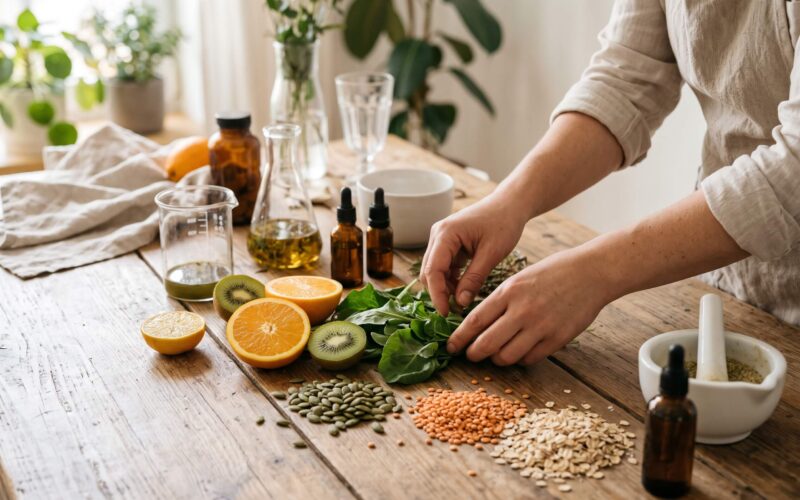
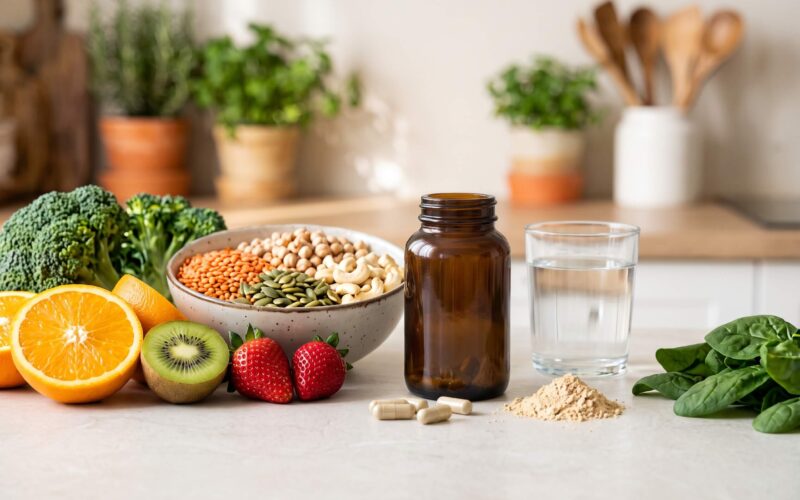
Coenzyme Q10 is found in what nutrients if you are wondering, the answer is relatively clear: the richest sources are nutrients of animal origin and some fatty seeds.
A comprehensive food content compilation reported that meat, fish, nuts, and some fats are the richest sources of coenzyme Q10; with most dairy products, levels remain significantly lower in vegetables, fruits, and grains. The same compilation also emphasizes that some foods of different geographical origin have large variability in the Q10 content.
Featured sources can be listed as follows:
- Oily fish: Salmon, sardines, mackerel and herring.
- Red meat and organ meats: Organ meats such as beef and heart, liver, and kidney.
- Poultry: Chicken meat, especially darker portions.
- Nuts and fatty seeds: Peanuts, pistachios, sesame seeds, and walnuts.
- Vegetable oils: Soy oil, canola oil and corn oil.
- Vegetables: Broccoli, cauliflower, spinach and parsley. The amounts are low compared to animal sources.
- Legumes and whole grains: Their contributions are limited, but they add to total intake.
Here is an important data to underline: the average daily intake of coenzyme Q10 according to the same compilation is only 3–6 mg, and about half of that is in reduced form. This amount is markedly below the amount of content contained in supplement products. In addition, Q10 is sensitive to heat and light; it can reduce cooking and long-term storage content at high temperature.
What Are the Symptoms of Coenzyme Q10 Deficiency?
In this title, one must make a significant distinction in order to give accurate information. Symptoms of coenzyme Q10 deficiency some of the information encountered when searching actually confuses two very different situations.
Primary coenzyme Q10 deficiency syndrome, Q10 is a medical table that is rare and can be diagnosed only by the physician, resulting from genetic disorders in the synthesis pathway. This table is a disease that requires clinical follow-up and treatment; it is not a condition that can be explained by lack of nutrition.
In terms of healthy individuals the situation is different. Because the body is able to synthesize Q10 itself, there is no classical “deficiency disease” defined as in vitamins, or a standard blood reference value that is routinely looked at. Therefore, lists that you may find on the Internet “if you have these symptoms, you have a lack of Q10” lack scientific basis.
However, some conditions have been identified that may affect Q10 levels:
- Advanced age: Tissue levels are reported to decrease with age.
- Inadequate and monotonous diets: The Q10 source is diet patterns where nutrients are consumed very sparingly.
- Some drug uses include: The relationship of certain drug groups to Q10 levels is a topic of research. If you are on regular medication, you should consider this issue with your physician.
- High oxidative load: Smoking, intense stress, and sleep disorder are mentioned in this heading.
Conditions such as fatigue, weakness, or muscle fatigue that can occur in these conditions are not only findings that can be explained by coenzyme Q10; they can be associated with very different causes, from thyroid functions to anemia, sleep disorders to vitamin D status. Therefore, you must consult a physician before seeking supplements in your permanent complaints.
How and How Long Should Coenzyme Q10 Be Used?
The issue that people who prefer supplements are most curious about is gathered in this title. We can summarize the general framework as follows:
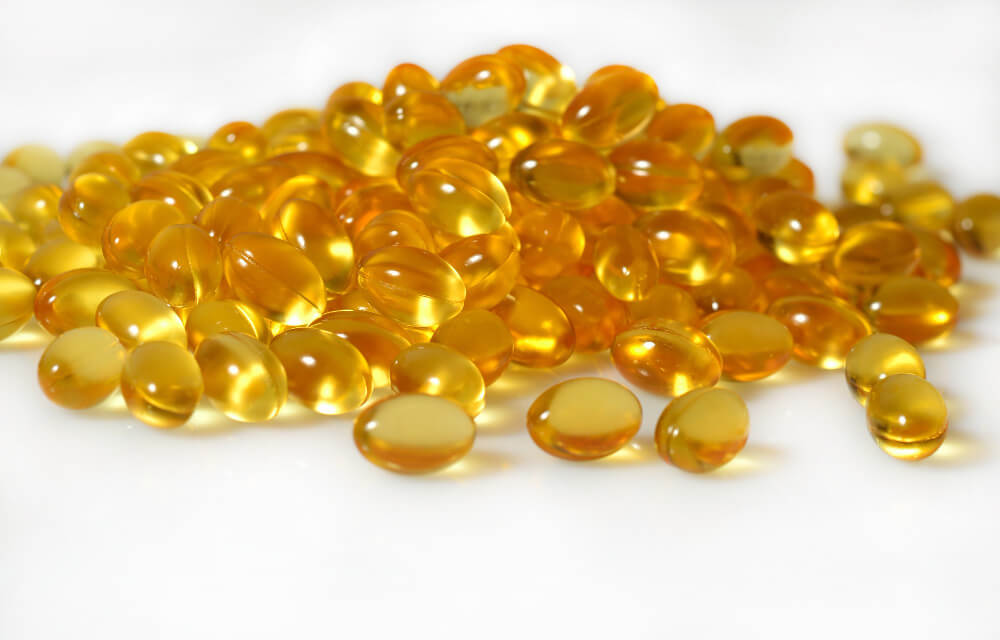
The product label is essential. Coenzyme Q10 products on the market are found in capsule, soft gel and liquid forms, and their content amounts differ markedly from brand to brand. Therefore, as a instructions for use, the information on the label must first be taken into account, and the specified daily portion should not be exceeded.
It is recommended to take it with the meal. Because Q10 is a fat-soluble compound, it is better to absorb it when taken with a fat-containing meal. Taking on an empty stomach can further reduce absorption, which is already limited.
High amounts can be taken by dividing. Because the absorption of high amounts taken at once is limited, the division of the daily portion is described in some products. Again, the label redirect applies to this.
Taking it very late in the evening may be avoided. Some people have been reported to affect sleep patterns; therefore, intake during the day is often found to be more appropriate.
How long should it be used? How long should the Coenzyme Q10 be used there is no single standard answer to the question. In scientific studies, their use spans from a few weeks to several years; however, these are practices conducted under supervision, under certain research protocols. The current approach in the use of supplements for a healthy adult is: complying with the period of use specified on the label and evaluating it with a health professional if you are considering long-term use. It is also reported that the Q10 level in the blood gradually returns to its initial values after the supplement is released; that is, the effect does not function in a cumulative and permanent form of storage.
About the upper safety limit. In safety assessments, the acceptable daily intake level for coenzyme Q10 was calculated as 12 mg/kg/day; this corresponds to about 720 mg per day for a person weighing 60 kg. This value is a safety upper limit, not the recommended amount of use. The daily portions of the products are markedly below this level, and the value to be based on is the amount on the label.
Coenzyme Q10 Who Can Use It, and Who Can’t?
Coenzyme Q10 supplements are generally intended for healthy adults. Safety compilations have reported that the compound has low toxicity and does not have any serious side effects in humans. However, it would not be right to say “fit for everyone”; coenzyme Q10 Who can’t use the title is as important as the way it is used.
Conditions that must be consulted with the physician prior to use:
- Pregnancy and lactation: During these periods, data on safety is limited; it should not be preferred without physician’s approval.
- Children and adolescents: The products are intended for adults unless otherwise stated.
- Those who take blood thinners: The possibility of interaction with warfarin and similar anticoagulant drugs has been studied in the literature. For this group, physician evaluation is mandatory.
- People taking medication to regulate blood pressure or blood sugar: It should be evaluated in terms of drug interaction.
- Those who are in the process of oncological treatment: Any use of supplements in chemotherapy and radiotherapy processes should be reported to the physician conducting the treatment.
- Those with an operation plan: The use of supplements should be reported to the physician prior to the surgical procedure.
- Those with chronic disease: The current state of health should be considered, especially heart, liver, kidney and thyroid disorders.
Possible side effects. The recommended amounts of use are usually well tolerated. Conditions reported in the literature are mild and rarely occur: stomach discomfort, nausea, lack of appetite, indigestion, headache, rash on the skin, and a change in sleep patterns in some people. When you notice any negative symptoms, it is best to stop using the product and apply to a health professional.
Conclusion
Coenzyme Q10 is a vitamin-like compound at the heart of cellular energy production, which also functions as an antioxidant. The body can synthesize this substance itself; it is also taken through feeding on fish, red meat, nuts, and some vegetable oils. However, the daily intake amounts by diet are relatively low.
To sum up the scientific table: The physiological functions of Q10 are well defined, the safety profile has been studied with numerous studies, but the results of supplement use on various health topics are still under evaluation.
The most solid ground is always in the same place: balanced and varied nutrition, regular physical activity, and quality sleep. We recommend that you consult your physician or dietitian before starting any supplement use.
References
- Hernández-Camacho, J. D., Bernier, M., López-Lluch, G., Navas, P. (2018). “Coenzyme Q10 Supplementation in Aging and Disease.” Frontiers in Physiology, 9, 44. doi: 10.3389/fphys.2018.00044 (PMID: 29459830)
- Pravst, I., Žmitek, K., Žmitek, J. (2010). “Coenzyme Q10 Contents in Foods and Fortification Strategies.” Critical Reviews in Food Science and Nutrition, 50(4), 269–280. doi: 10.1080/10408390902773037 (PMID: 20301015)
- Hidaka, T., Fujii, K., Funahashi, I., Fukutomi, N., Hosoe, K. (2008). “Safety assessment of coenzyme Q10 (CoQ10).” BioFactors, 32(1–4), 199–208. doi: 10.1002/biof.5520320124 (PMID: 19096117)
- Linus Pauling Institute, Oregon State University — Micronutrient Information Center (Coenzyme Q10). https://lpi.oregonstate.edu/mic
- Republic of Türkiye Ministry of Agriculture and Forestry — Turkish Food Codex Communiqué on Food Supplements (Communiqué No. 2013/49), Official Gazette, 16.08.2013, Issue 28737.
- Republic of Türkiye Ministry of Agriculture and Forestry — Turkish Food Codex Regulation on Nutrition Claims, Official Gazette, 20.04.2023, Issue 32169.
- Republic of Türkiye Ministry of Health — Regulation on the Use of Health Claims in Foods and Food Supplements, Official Gazette, 20.04.2023, Issue 32169.
This content is intended for informational purposes only; it is not a substitute for medical advice, diagnosis, or treatment. Food supplements are not medications and do not replace normal nutrition. Consult your physician for decisions regarding your health.