There are some molecules in the biological sciences that, without them, even the “cell”, the most fundamental unit of life, could not exist. Lecithin, this is the first of the indispensables. Well, exactly what is lecithin? Described in modern science as a complex mixture of phospholipids, especially “phosphatidylcholine”, this substance is actually nature’s method of streamlining chaos. what lecithin means aside from the technical equivalent of the question, from the “reverse engineering” point of view; when we discover why nature places this molecule in every living cell, we have solved not only one food component, but also the structural codes of life.
From Ancient Observation to Molecular Reality: The Discovery of Lecithin
When Theodore Gobley isolated this substance from egg yolks in 1846, he was actually revealing the secret of one of the oldest healing sources in human history. Since ancient civilizations, eggs, seeds, and certain fatty plants have been crowned as “nutrients that increase life energy” and “open mind”. Today, when we look at the mechanism behind this ancient choice, what is lecithin we also find the answer to your question.
Where is lecithin used when we look at it, we see that there is a bridge that holds two opposite worlds, like water and oil, together; cellular communication stops when that bridge breaks down. Well, what is lecithin?? This molecule is the cornerstone that keeps our cells dynamic.
The Architect of the Cell Membrane: Defining the Boundaries of Life
Our cells are not static structures; they are dynamic and fluid castles where millions of signals enter and exit every second. lecithin vitamin it is not a similar supporter, but the main component of cell membranes (lipid double layer).
- Fluid Mosaic Model: The more flexible and fluid the cell membrane, the healthier the cell is. LecithinIt balances the rate of cholesterol in the membrane, preventing the membrane from hardening.
- Signal Transmission: Phospholipids are not just a wall, they are also communication towers. What does lecithin do? this is one of the most important answers to the question: A signal from outside the cell is transmitted to the cell nucleus through its derivatives.

What Are the Benefits of Lecithin?
The benefits of lecithin it’s too diverse to end with counting. It is particularly known for its effects on liver and brain health. What is the use of lecithin supplementation we can talk about a wide range of things, from cholesterol balance to memory strengthening.
- Strengthens the Cell Membrane: By keeping the outer perimeter of the cells flexible and fluid, it optimizes food intake and waste output.
- Supports Brain Functions: The brain is the fattest organ in the body and lecithin supplementation when used as a direct contribution to cognitive functions. Thanks to the choline in it, it contributes to the production of acetylcholine, which increases memory, focus and learning capacity.
- Acetylcholine Production: What is lecithin used for one answer to the question is that it is a source of choline. Choline is the precursor to acetylcholine, which is responsible for memory and focus in the brain.
- Myelin Sheath Protection: The myelin sheath, which wraps nerve fibers, contains this substance at a high rate.
- Protects Liver Health: It prevents fat buildup in the liver, helping the fat metabolism to function healthily and to build resistance to liver fat.
- Helps Prevent Gallbladder Stones: Lecithin supplementation helps move fats from the liver to tissues for use as energy. The liver needs it to pack the fat and make it portable in the blood. It also mechanically inhibits stone formation by keeping cholesterol in the bile dissolved.
- Increases Absorption Strength: The fat-soluble vitamins A, D, E and K are more effectively absorbed by the body.
- Supports Cardiovascular Health: It maintains heart health by supporting the balancing of bad cholesterol (LDL) and preventing vascular stiffness.
How is lecithin used?
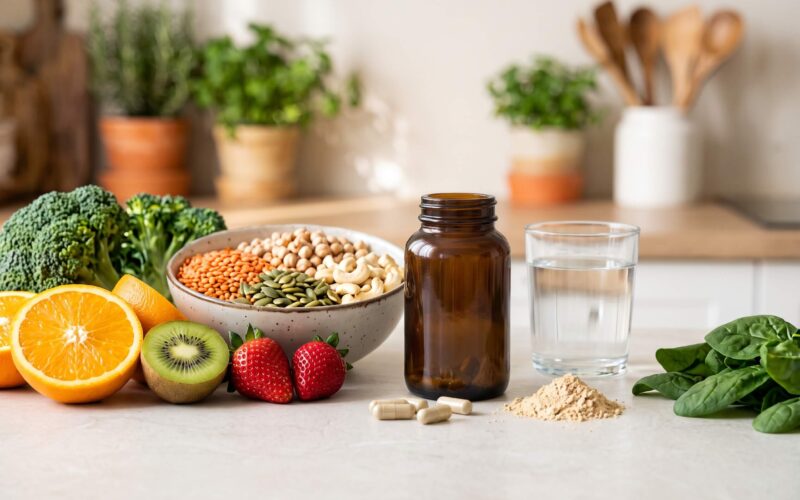
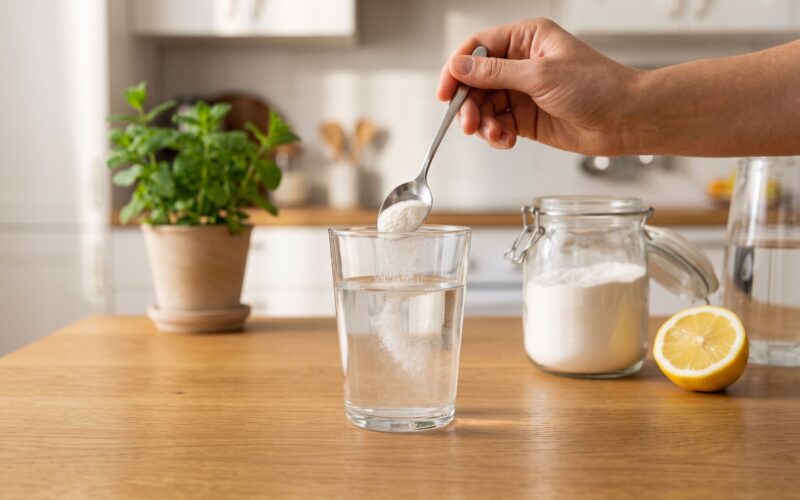
LecithinIt can be easily integrated into daily routines, depending on the purpose of use and the preferred form. Usually lecithin tabletsIt is offered in capsule, granule or liquid forms, and in order to facilitate digestion, to increase bioavailability along with meals it is recommended to take. In particular, lecithin in granular form can be consumed by sprinkled on top of yogurt, smoothie, oatmeal or salads, while liquid forms can be used by mixing into drinks. Because it has a fat-soluble structure, consuming it with meals containing vitamins A, D, E and K also supports the absorption of these vitamins. Since the dose of use may vary for specific conditions such as blockages during breastfeeding or cholesterol management, it is the best approach to proceed with expert control within the framework of a personal health plan.
Soya vs. Sunflower: How to Obtain Lecithin.
Many people how to obtain lecithin he wonders. In industry, it is mostly derived from soybeans. However, in the modern world, sunflower lecithin has become the gold standard for those looking for “clean content”. With cold-tightening methods, this form, obtained without the use of chemical solvents, is both a safer and more sustainable resource.
Mother’s Milk and the Beginning of Life
The best way to understand the importance nature places on this substance is to look at breast milk. Breast milk contains this content at a very high rate for the baby’s rapidly developing brain. The suggestion of this support in milk duct blockages during breastfeeding is the most concrete example of its ability to provide oil fluidity.
Things to Consider When Using Lecithin
Lecithin supplementation when taking, strategy should be determined according to the intended benefit. Forms containing high phosphatidylserine for cognitive support may be preferred, while doses of 1200 to 2400 mg per day may be preferred for liver health. However, as with every support product, it is critical to get expert opinion.
References and Scientific Basis
- Zeisel, S. H. (2006). “Choline: Critical role during fetal development and dietary requirements in adults.” Annual Review of Nutrition.
- Cohn, J. S., et al. (2010). “Dietary phospholipids and intestinal cholesterol absorption.” Current Opinion in Lipidology.
- Higgins, J. P., & Flicker, L. (2003). “Lecithin for dementia and cognitive impairment.” Cochrane Database of Systematic Reviews.
- Buchman, A. L., et al. (1992). “Lecithin increases plasma free choline and prevents hepatic steatosis in long-term total parenteral nutrition patients.” Gastroenterology.
- Shichiri, M., et al. (2014). “Phospholipids in the management of non-alcoholic fatty liver disease.” Journal of Clinical Biochemistry and Nutrition.
- The International Lecithin Study Group. “Functional properties and nutritional significance of phospholipids.”