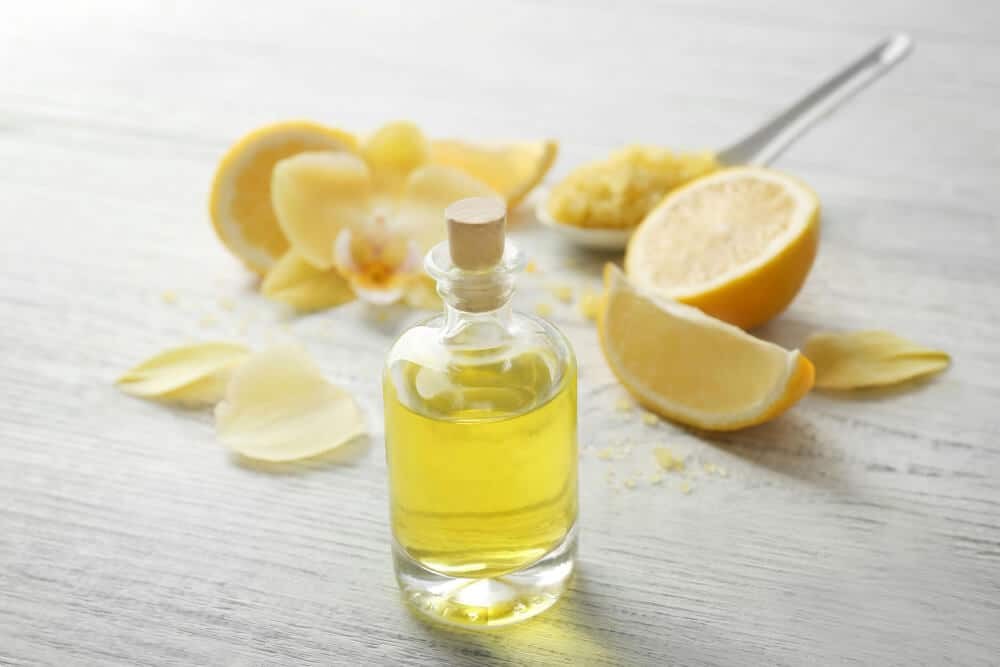
Throughout history, plants have been biological libraries that support life, not just food. The origins of aromatherapy are based on thousands of years of observation. To understand the true power of lemon oil, one of the most precious extracts from ancient civilizations to the present day, the “reverse engineering” approach that combines laboratory data with ancient wisdom is needed.
From Ancient Observation to Molecular Truth: Reverse Engineering Approach
In ancient Egypt, Rome and Ayurveda, lemon, a symbol of “cleanness” and “liveliness”, was used to purify the mind and body. Today, 60-70% of lemon oil Limonene we know that its molecule is one of nature’s most powerful antioxidants. The detection of “opening energy blockage” in ancient medicine coincides with the findings of modern science in lymphatic drainage and liver detoxification (Faz I and II enzymes).
Where is Lemon Oil Used?
- Cosmetics and Skin Care: It can be used in tonic content with its anti-stain and uplifting effect.
- Pharmaceutical and Supplement Industry: It can be included in the ingredients list of supplements foods in liver and digestive-promoting formulas.
- Food and Gastronomy: Pure, food-quality oils are ingredients that the world of gastronomy refers to as natural sweeteners and preservatives.
- Household Hygiene: Natural and non-toxic cleaning products can also be found with lemon oil.
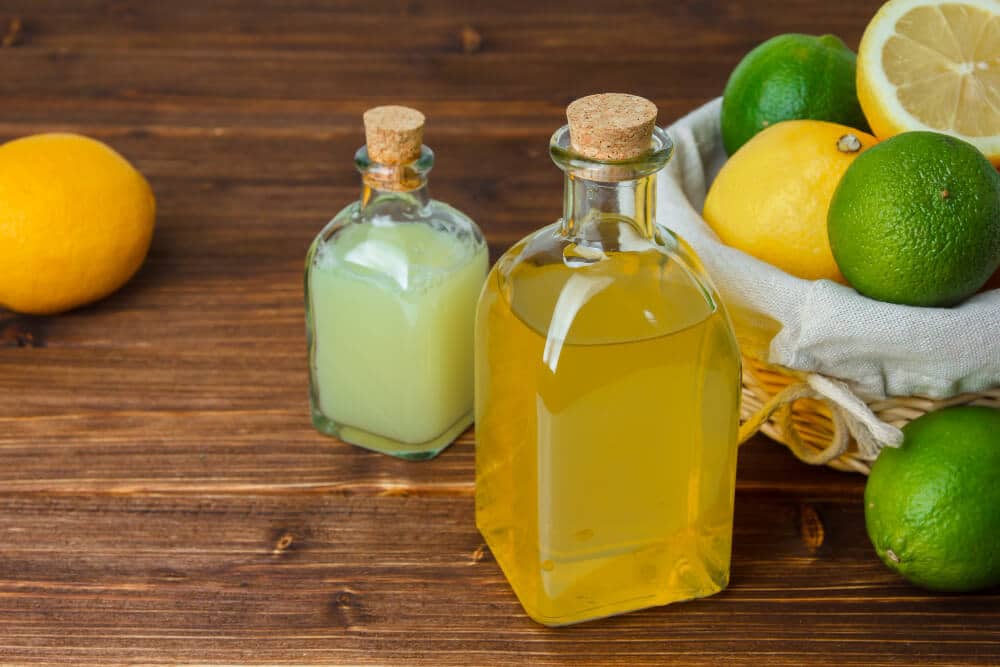
What Is Lemon Oil Good For?
The molecular-level benefits of lemon oil, a multifunctional biological agent, include:
- Antiseptic Power: It has a high inhibitory (restrictive) effect against pathogenic bacteria.
- Lymphatic Drainage: It promotes the removal of edema in the body by accelerating lymph circulation. In this respect, massages by experts can include lemon oil alone or in oil mixtures.
- Digestive Support: The gallbladder produces some of the enzymes we need for digestion. Lemon oil relieves digestion by promoting bile production.
- Mental Clarity and Focus: Inhalation of lemon oil stimulates the norepinephrine and dopamine pathways in the brain.
- Immunity and Purification: It helps with systemic detox by supporting liver enzymes.
- Skin Health: It regulates melanocyte activity, equalizes skin tone, and provides anti-aging protection against free radicals.
The Therapeutic Spectrum of Lemon Oil
1. Neurocognitive Effect and Mental Clarity
Lemon oil, which is said to “disperse melancholy” in ancient texts, contains alpha-pinene and beta-pinene thanks to its molecules, it reduces cognitive fatigue and increases focus. This is a biochemical explanation of why we need this smell in intensive modern life.
2. Immunomodulator and Antiseptic Power
Lemon oil used by the Roman armies to disinfect wounds, containing terpineol and citral components Staphylococcus aureus and Escherichia coli it breaks down the cell wall of bacteria like. The ancient ritual of expelling evil spirits is, in fact, a metaphysical description of removing pathogens from the environment.
3. Effects on Skin and Connective Tissue
Its high antioxidant capacity and citrate content regulate melanocytes, while interacting with enzymes that promote collagen synthesis, offering a strong anti-aging (anti-aging) protocol.
Cosmic and Biological Balance: A Microbiota Perspective
Lemon oil is a selective antimicrobial; it is a “smart molecule” design. Unlike synthetic antibiotics, it promotes biological balance by maintaining beneficial flora in the gut and skin microbiota while suppressing pathogenic bacteria.
How to Use Lemon Oil?
- Aromatherapy: It spreads through the medium with the diffuser, providing mental clarity and focus.
- Topical Application: It must be diluted with a carrier oil (jojoba, almonds, etc.) before being rubbed on the skin.
- Cleaning Protocols: It is used as a natural disinfectant on home surfaces with its antibacterial structure.

How to make lemon oil?
Therapeutic effect expected real lemon oil, oil sacs in the outer layer of lemon peels “Cold press” (cold press) . It is obtained by mechanically pressing the peel using this method. Maceration at home—soaking peel in oil—does not produce the same effect.
What to Consider About the Use of Lemon Oil
- Phototoxicity: Because it contains furocoumarins, avoid direct sunlight (UV) for at least 12 hours after applying it to the skin.
- Oxidation: Because lemons can be rapidly oxidized (this can make irritation on the skin), the oil should be stored in cool, dark environment and in dark glass bottles.
- Dilution: It should never be applied directly to the skin to minimize the risk of irritation and increase bioavailability, diluted with fixed fats.
Ancient Traces in Future Medicine
Lemon oil is not a simple odor molecule; it is a summary of the plant’s thousands of years of survival strategy that has been gifted to human health. This study of reverse engineering shows that modern science is a means of confirmation that proves “why” ancient wisdom works. The medicine of the future is hidden in this unique synthesis of ancient wisdom with laboratory data.
References and Scientific Basis
- D’Alessio, P. A., et al. (2013). “Anti-inflammatory dietary terpene d-limonene: A review of its biological properties.” Life Sciences.
- Komiya, M., et al. (2006). “Lemon oil vapor causes an anti-stress effect via modulating the 5-HT and DA activities.” Behavioural Brain Research.
- Fisher, K., & Phillips, C. (2006). “The effect of lemon, orange and bergamot essential oils on the survival of pathogens.” Journal of Applied Microbiology.
- Tisserand, R., & Young, R. (2013). Essential Oil Safety. Elsevier.
- Ayurvedic Pharmacopoeia of India. (The use of Citrus species in ancient Indian medicine and their effects on “Agni” (indigestion fever).
- Kiefer, I., et al. (2004). “Antioxidant capacity of essential oils: A review.” Free Radical Biology and Medicine.