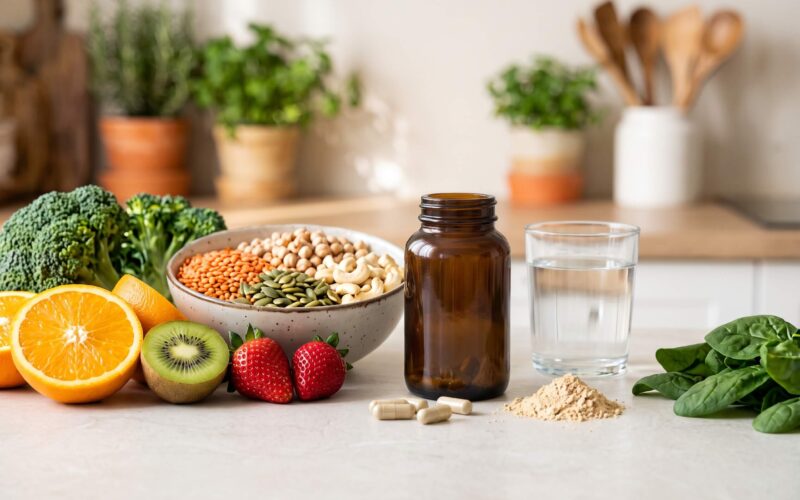
Vitamin C, one of the water-soluble vitamins, is also known as Ascorbic acid, which cannot be stored by the body, so it must be taken into the body on a daily basis with nutrients or supplements. Vitamin C plays a role in the body, in the maintenance of normal functions of the human body. It is also involved in biochemical functions of vitamin C. Stimulation of certain enzymes also plays a role in many biochemical functions, such as collagen biosynthesis, hormonal activation, antioxidant, histamine detoxification. These functions relate to the effects of vitamin C levels in an individual on our body.
Effects of Vitamin C on Body Functions
It helps to prevent damage caused by free radicals with its antioxidant property and to protect tissues against oxidative damage to tissues.
Helps protect against infections: It can support healing times of wounds by supporting the immune system. There are many benefits of increasing the absorption of iron mineral, accelerator and collagen production.
Collagen helps to increase synthesis: Adding vitamin C supplements to your nutrition programs can help increase elastin synthesis, which gives collagen and skin fullness thanks to its benefits to the skin.
Helps reduce the effects of aging: It is involved in preventing the loss of collagen caused by aging. It can help increase the elasticity of the skin and reduce wrinkles.
Helps increase skin moisture and decrease skin rash: Vitamin C can help moisten the skin by increasing its water retention capacity.
Support for the immune system: Vitamin C can help maintain the immune system and reduce the severity of allergic reactions.
Helps reduce inflammation: Vitamin C can help reduce symptoms of inflammation, such as redness and irritation.
In summary; adding or taking supplements rich in vitamin C to an adequate and balanced diet is important in maintaining both overall body and skin health.
Walingo, K. M. (2005). Role of vitamin C (ascorbic acid) on human health-a review. African Journal of Food, Agriculture, Nutrition and Development, 5(1).
Granger, M., & Eck, P. (2018). Dietary vitamin C in human health. Advances in food and nutrition research, 83, 281-310.
Naidu, K. A. (2003). Vitamin C in human health and disease is still a mystery? An overview. Nutrition journal, 2, 1-10.
Bendich, A., Machlin, L. J., Scandurra, O., Burton, G. W., & Wayner, D. D. M. (1986). The antioxidant role of vitamin C. Advances in Free Radical Biology & Medicine, 2(2), 419-444.