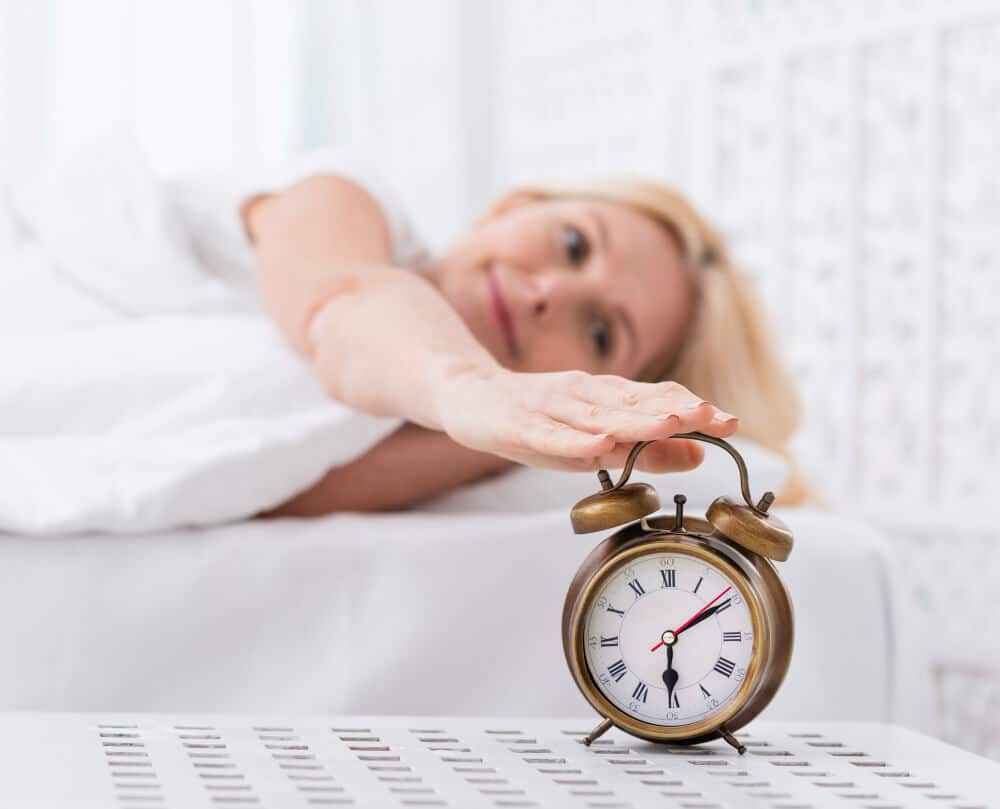
One of the most basic needs of the human body is sleep. This is also understood by the fact that one of the most time-consuming activities per day is sleep. Although sleep is thought of as a passive closing process of the body, it is actually a process that is highly biologically active and regulated. Repairs will prepare you for the next day. In particular, the light and sound we are exposed to in the evening determines the brain’s decision, “night or day?” Another key factor that affects this is hormone levels in the body, such as stress hormone and our behaviors.
Signals sent to the brain by melatonin it can increase or suppress production. Melatonin is the hormone that is the night-time fundamental determinant of the circadian rhythm, the internal clock of our body. Studies show that stimuli such as light and device use in the evening hours delay the circadian phase. “What to do for a good night’s sleep?” the answer to your question is to ensure that the brain gets its dark, calm, and slowing signals correctly during the evening. Other than the use of light and devices in the evening, there are factors that affect sleep.
What to Do for a Good Sleep?
A good sleep is very important for the functioning of the body. While the body rests, many biological events also occur. A good night’s sleep is characterized as short sleep transition time, without interruption during sleep, or with little interruption, getting enough time to sleep and waking up vigorously in the morning. Taking care of quality sleep promotes healthy functioning of the body’s biological clock.
First, nighttime stimuli should be reduced to a minimum. The level of sound should not be high, and the factors that can be stressed should be eliminated. One of the most basic impact factors is light. Because light reduced to a minimum in the evening increases melatonin secretion.
It is important to create sleep patterns in the long term. Because the body recognizes the clock and tries to harmonize with its own internal clock. If you sleep and wake up at the same time every day, the circadian rhythm works regularly, thereby balancing the body’s natural sleep-wake cycle. Therefore, a regular sleeping time should be determined.
Sleep time is also an important factor. Insufficient sleep causes many health problems such as difficulty focusing during the day, fatigue, eye swelling. Studies show that 7-9 hours per day is ideal for adult individuals, with a longer duration in children and infants. It is not the time spent in bed for a good night’s sleep, but the time to “night mode” the body from the evening hours, regular and adequate sleep-determining factors.
Importance of Evening Routine for a Good Sleep
Evening activities for a good sleep are important because they also affect hormones and determine mood. Depending on how active the stimuli are, they can go to sleep. The evening routine is considered one of the strongest determinants of sleep quality. At the end of the day, the sympathetic nervous system shuts down and the parasympathetic system kicks in. The sympathetic nervous system is associated with wakefulness, while the parasympathetic nervous system is the system related to relaxation. According to the behaviors performed, these transitions in the nervous system are achieved.
Stress hormone regulation is also a factor in the evening routine. Cortisol, which has higher values during the day, should naturally fall in the evening hours. Some factors prevent the cortisol level from falling. For example, screen light, mental overstimulation, and intense physical activity of technological instruments such as telephones, computers, televisions can prevent cortisol from falling. Research shows that evening exposure of screen light increases both the time of falling asleep while suppressing melatonin.
Another factor that affects sleep, depending on the evening routine, is the body’s slowing effect, depending on the activities performed. Low-stimulating activities, such as warm showers, reading books, light stretching, put the rhythm of the brain from daytime mode to rest mode. While these activities provide a state of comfort, they positively affect sleep quality and the transition to sleep, especially when they are continued regularly. Therefore, one of the most effective answers to the question, “What to do for a good night’s sleep?” is to create a consistent and calm evening routine.
Things to Consider in Evening Routine for a Good Sleep
It has been mentioned that the evening routine is important for a good sleep. There are some points to be considered in the evening routine. First, exposure to screen light before sleep, as it affects focus time throughout the day, negatively affects sleep. Therefore, screen time should be reduced. Technological tools such as phones, tablets, computers should be discontinued before sleep because they reduce melatonin production. It is recommended to discontinue screen use at least 1 hour before going to bed.
Avoid heavy meals before going to sleep. Dinner should be eaten earlier and should be light meals. Snacking after dinner should also be minimal. Because eating heavy late at night causes an increase in stomach acid. This can make it difficult to switch to sleep, as well as lead to sleep divisions.
Drinks containing coffee and other caffeine should not be consumed late. Caffeine intake should be limited prior to sleep. Given the half-life of caffeine, consumption should be stopped 3 hours before going to sleep, or even 6 hours if possible. Because caffeine taken in the evening can delay falling asleep.
The environment also affects sleep quality. Just as before sleep, distractions such as sound and light also affect sleep efficiency as an important factor in the sleep environment. The sound and light in the room should be checked. The fact that the sleeping environment is dark and quiet increases the depth of sleep. Another factor, such as sound and light, is ambient temperature. For an efficient sleep, room temperature should be cool.
Adding a variety of relaxing, relaxing activities to the evening routine before going to sleep also facilitates the transition to sleep. Practices such as warm showers, reading books, light stretching, deep breathing, meditation make it easier for the brain to switch to rest mode. This makes it easier to switch to sleep by activating the parasympathetic system.
As a result, the answer to the question, “What to do for a good sleep?” is to create an environment in which the brain is “prepared to rest” in terms of light, sound, and stress during the evening. Supporting the circadian rhythm, creating a consistent evening routine, reducing stimulants, and improving restlessness before bed significantly improves sleep quality.
References
- Anne-Marie Chang, Daniel Aeschbach, Jeanne F. Duffy, Charles A. Czeisler, Evening use of light-emitting eReaders negatively affects sleep, circadian timing, and next-morning alertness, PNAS, 2014.
- Hirshkowitz et al, National Sleep Foundation’s sleep time duration recommendations: methodology and results summary, PubMed, 2015. DOI: 10.1016/j.sleh.2014.12.010
- Jodi A. Mindell, Ariel A. Williamson , Benefits of a bedtime routine in young children: Sleep, development, and beyond, Sleep Medicine Reviews, Volume: 40, Pages 93-108, 2018. https://doi.org/10.1016/j.smrv.2017.10.007
- Christopher Drake, Timothy Roehrs, John Shambroom, Thomas Roth, Caffeine effects on sleep taken 0, 3, or 6 hours before going to bed, PubMed, 2013. DOI: 10.5664/jcsm.3170