
Collagen is the most abundant protein in the human body. It makes up about 30% of our body’s total protein. Collagen it is the primary building block of our body’s skin, muscles, bones, tendons, ligaments, and other connective tissues. It is also present in your organs, blood vessels, and intestinal lining. The skin helps provide structure, support, or strength to muscles, bones, and connective tissues.
A balanced diet provides our body with the raw materials it needs to help it naturally make collagen.
Foods rich in collagen can be a great way to boost your body’s collagen levels as well as taking supplements. Including collagen-rich foods in your diet can help us keep your natural resource high.
There are probably many collagen-containing foods that we already eat, but if not, we need to include them more in our diet and include them in our shopping lists every week.
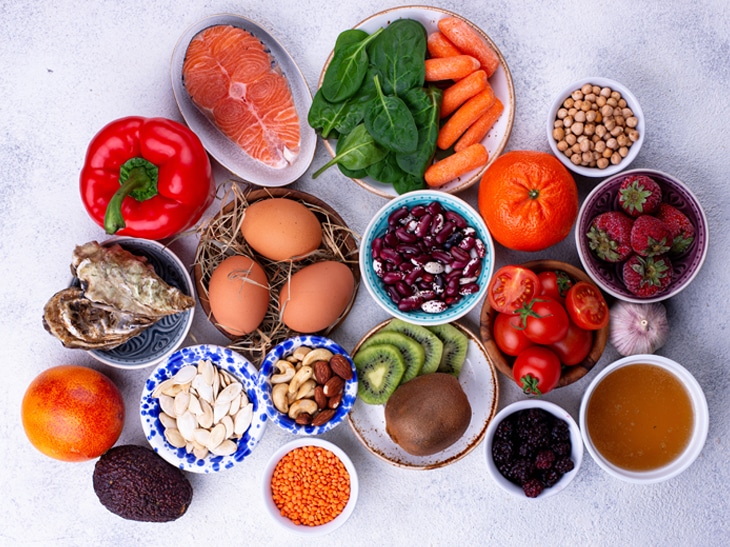
From chicken to citrus and green leafy vegetables, it is necessary for our optimal health to include more of the following collagen foods in our diet to keep our natural collagen levels high.
Chicken: Chicken contains all the amino acids our body needs to produce collagen, and chicken tissues offer a rich source of dietary collagen.
Citrus Fruits: Another of our favorite foods that are rich in collagen is citrus. Fruits such as oranges, lemons, lemons and grapefruits are filled with vitamin C, known for its many benefits. One of the benefits of vitamin C is that it plays an important role in producing the precursor ingredient of collagen and also helps bind amino acids during collagen production.
Add citrus fruits to homemade juices, smoothies (or smoothie bowls), salads, or for a light breakfast, it will help increase your intake of fruit salad or even vitamin C and support your body’s natural collagen levels.
Legumes: Chickpeas, lentils, beans, beans, peas, etc. Foods are naturally rich in protein, which allows them to offer all the essential amino acids needed for collagen production. At the same time, these foods provide a source of copper and vitamin C that help produce collagen.
Peppers: In particular, red pepper helps fight signs of aging by its vitamin C content and its rich in capsaicin, an anti-inflammatory substance. By adding as much red pepper as possible to your salads and pasta sauces, we can help turn them into collagen-enhancing foods.
Green Leafy Vegetables: Green leafy vegetables support body health by increasing the precursor to collagen in the body as well as providing antioxidant properties.
Spinach, cabbage, tere, biceps, lettuce, etc. Foods naturally aid collagen synthesis with vitamin C content.
Bone Broth: Bone juice is one of the most well-known collagen foods, as it is made from bones of meats such as cattle and chickens, a rich source of animal collagen.