Zinc, one of the most important minerals for our health, is a mineral that must be taken from outside because it is not produced by the body. After iron minaret, which allows tissue and organs to work in the body, the most important mineral is known as zinc.
Zinc, which has important tasks in the normal functions of the immune system and metabolic activities, is known as the total amount of about 2 g in adult individuals. Over 80% of this is found in bone, muscle, hair, and skin. For a strong nervous system and immune system, adequate zinc intake into the body plays an important role.
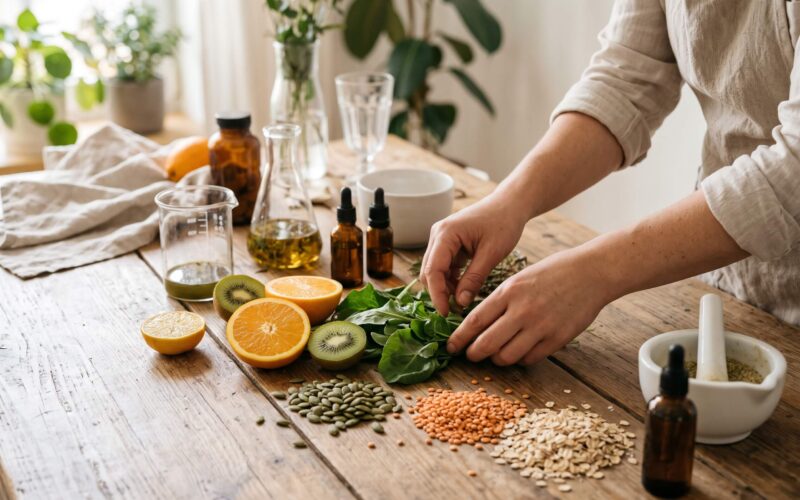
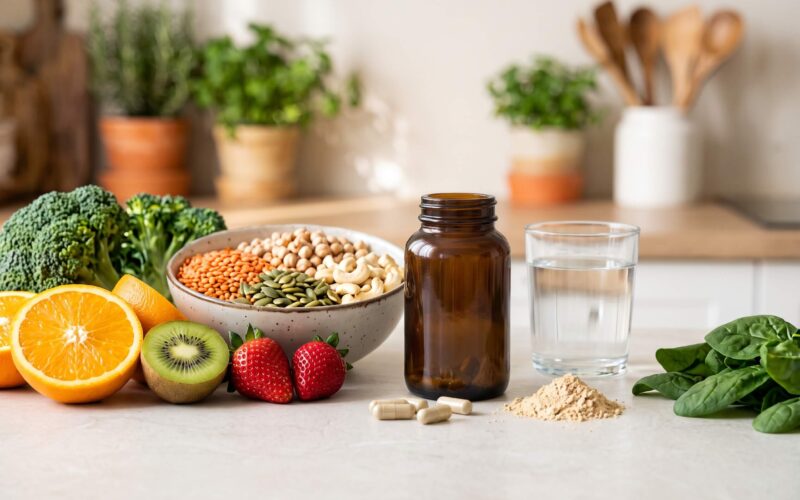
Products containing animal and vegetable food sources contain zinc. Animal-derived foods are known to have an excess of zinc content and absorption in the human body than plant-derived products. With a balanced and regular diet, animal-derived zinc and plant-derived zinc consumption are essential for a healthy body. Zinc-rich foods include chicken, turkey, mushrooms, eggs, potatoes, pumpkins, pumpkin seeds, peanuts, almonds, walnuts and lamb, crabs, lobsters, oysters, spinach, biceps, roka, etc. Food is included.
Zinc is involved in many biological processes in the body and provides a variety of health benefits. Here is the significance and benefits of zinc for human health:
• Support for Immune System Normal functions: Contributes to and increases the effectiveness of the immune system it helps improve the function of immune cells.
• Cellular Growth and Repair: One of the minerals required for cellular growth, division, and repair is zinc. Zinc, along with other minerals and vitamins, supports the formation of new cells in the body and healing of injured tissues.
• DNA and Protein Synthesis: Zinc is one of the minerals that plays a critical role in the processes of DNA and protein synthesis.
• Enzymatic Reactions: Many enzymes contain zinc and thus help regulate metabolic reactions in the body.
• Growth and Development: One of the minerals necessary for children to grow and develop correctly is zinc. Zinc deficiency can cause growth retardation, developmental disorders, and mental development problems.
• Role in Acne Control: It is one of the minerals that helps reduce inflammation and balance sebum (fat) production that plays a role in the formation of acne.
• It can be effective in the wound healing process. Zinc is one of the minerals needed for the growth, repair and regeneration of skin cells. Therefore, the wound can contribute to the healing process.
• Antioxidant Effect: Zinc has antioxidant properties and can help protect skin cells from oxidative stress caused by free radicals.
• Collagen Assists in its production: Zinc contributes to collagen production.
References
Documentmen, T., & Nejat, A. K. A. R. (2004). THE LIVING FUNCTIONS OF CHINA AND CHINA
CONNECTED AGES WITH METABOLIZATION. Ankara University Faculty of Medicine, 57(3).
Mediterranean, V., KINIK, Ö., Nativekaya, O., & Ecem, A. K. A. N. (2016)
The importance of zinc for human health and nutritional physiology. Akademik Gıda, 14(3), 307–314.
Winterges E.S. et al. Immune-Enhancing Role of Vitamin C and Zinc and Effect on Clinical Conditions.
Ann Nutr Metab 2006; 50:85–94.